
How to Be Better at Interior design Mintpaldecor is not only about choosing furniture or picking paint colors. It is about creating a space that feels comfortable functional and personal. Many beginners feel confused when they start because there is so much information online and most of it repeats the same generic tips.
This guide breaks down how to be better at interior design with MintPalDecor in a clear and practical way. It covers fundamentals that other articles skip such as room measurement basics scale and proportion lighting temperature furniture placement rules and common mistakes to avoid. The goal is to help you build real skills not just copy trends.
Why Interior Design Skills Matter
A well designed home affects daily life more than people realize. Good design improves the following areas.
| Area | Effect of Good Design |
|---|---|
| Mood | Calming colors and layout reduce stress |
| Productivity | Organized space supports focus |
| Comfort | Functional furniture improves daily routines |
| Resale Value | Well planned homes attract more buyers |
| Energy Efficiency | Smart layout and lighting reduce wasted energy |
Understanding these benefits helps you see interior design as a skill that improves quality of life not just appearance.
Step 1 Learn the Basics Before Decorating
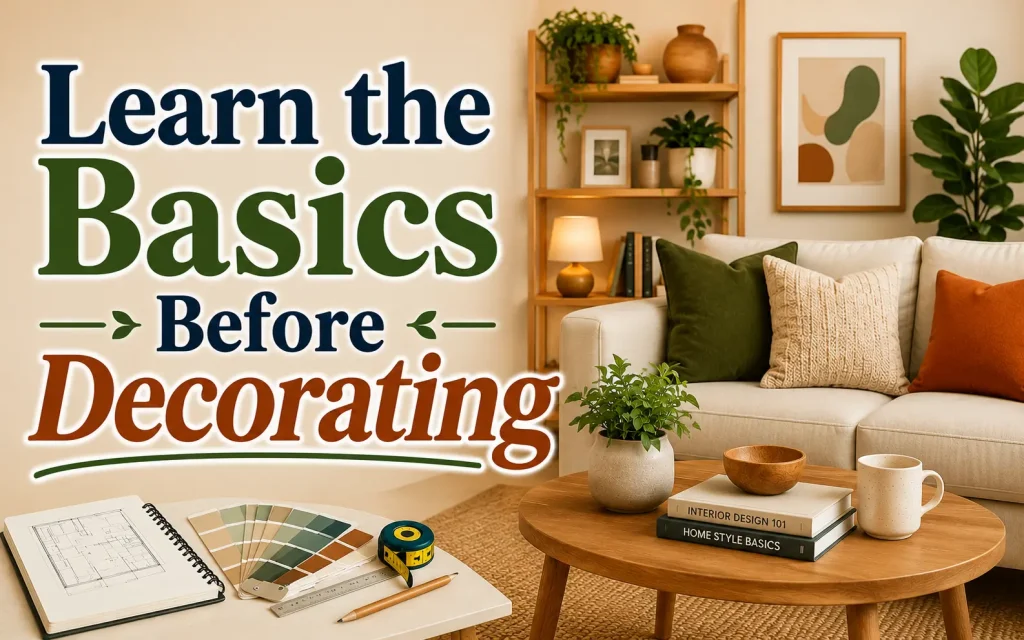
Before buying anything take time to understand your space.
Measure Your Room
Most beginners skip measuring and end up with furniture that does not fit. Always measure:
- Room length and width
- Ceiling height
- Window and door positions
- Wall space available for furniture
Understand Scale and Proportion
A large sofa in a small room overwhelms the space. A tiny rug in a large room makes it look empty. Match furniture size to the room size for balance.
Identify the Room Purpose
Ask what the room is mainly used for. A living room used for entertaining needs different furniture than one used mainly for relaxing alone.
Step 2 Build a Color Plan That Works
Most articles say pick neutral or bold colors without explaining how to choose correctly. Here is a simple system.
The 60 30 10 Rule
This rule keeps color schemes balanced.
- 60 percent dominant color usually walls
- 30 percent secondary color usually furniture
- 10 percent accent color usually accessories
Match Color to Light Direction
Rooms facing north receive cooler light so warm colors balance them. Rooms facing south receive warmer light so cooler tones can balance the brightness. This detail is often missing from competitor articles but it makes a big difference in how a color actually looks on your walls.
Step 3 Master Lighting Like a Professional
Lighting is one of the most underrated parts of interior design.
Three Types of Lighting You Need
- Ambient lighting for overall brightness
- Task lighting for reading cooking or working
- Accent lighting to highlight art or architecture
Lighting Temperature Matters
Warm white light around 2700K to 3000K creates a cozy feeling suitable for living rooms and bedrooms. Cool white light around 4000K to 5000K works better for kitchens and home offices where focus is needed.
Step 4 Arrange Furniture for Flow and Function
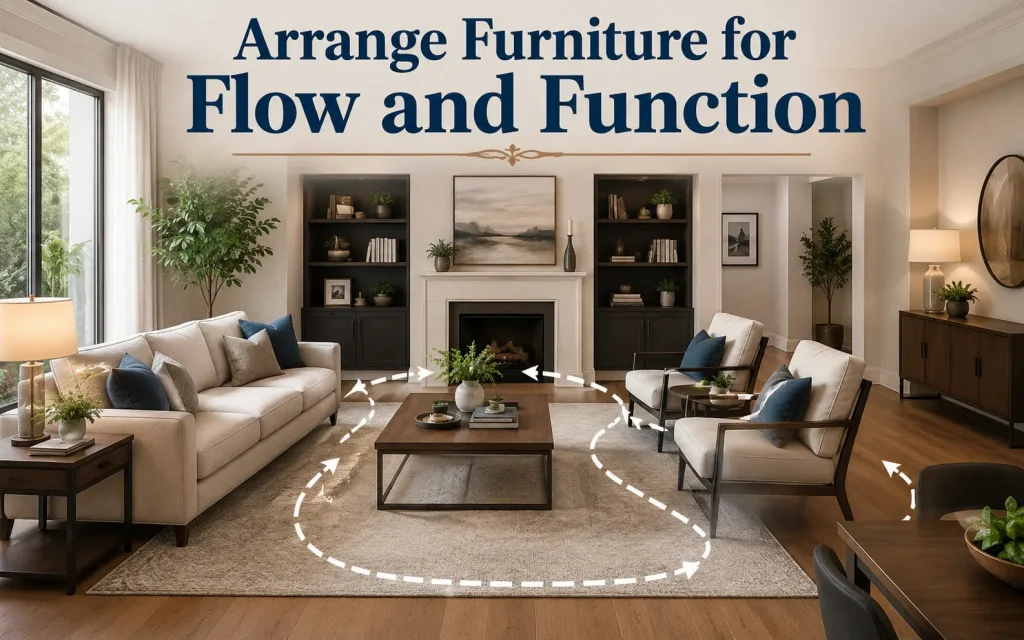
Furniture placement affects how people move and feel in a space.
Leave Walking Paths
Leave at least 30 inches of clear walking space between furniture pieces so the room does not feel cramped.
Create Conversation Areas
Arrange seating so people can talk comfortably without raising their voices. Sofas and chairs should face each other or form an L shape.
Avoid Pushing Everything Against Walls
A common mistake is placing all furniture against walls which can make a room feel disconnected. Pulling furniture slightly inward often creates a cozier and more balanced layout.
Step 5 Add Texture and Layers
Texture adds depth that color alone cannot achieve.
- Mix soft materials like cushions and rugs with hard materials like wood and metal
- Layer rugs over hard flooring for warmth
- Use curtains that complement wall color without matching exactly
Step 6 Personalize Without Overdoing It
A home should reflect the people living in it.
- Display a few meaningful items instead of many small decorations
- Choose artwork that reflects personal taste rather than trends
- Use family photos sparingly as accents rather than filling entire walls
Common Mistakes Beginners Make
| Mistake | Why It Happens | Better Approach |
|---|---|---|
| Buying furniture before measuring | Excitement to shop early | Measure first then shop |
| Too many accent colors | Lack of a color plan | Follow the 60 30 10 rule |
| Single overhead light only | Assuming one light is enough | Add layered lighting |
| Overcrowding small rooms | Wanting to fill empty space | Choose fewer larger pieces |
| Ignoring natural light direction | Not considered important | Match colors to light exposure |
Budget Friendly Ways to Improve Your Skills

You do not need a large budget to practice interior design.
- Rearrange existing furniture to test new layouts
- Add a single accent wall instead of repainting the whole room
- Swap cushion covers and curtains for a quick seasonal refresh
- Use mirrors to make small rooms feel larger
- Add plants for natural texture and color at low cost
How to Practice and Improve Over Time
Improvement comes from consistent small projects rather than one large overhaul.
- Start with one room or even one corner
- Take before and after photos to track progress
- Study why certain spaces feel good and try to identify the design choices behind them
- Adjust based on how the space feels not just how it looks in photos
FAQs
How can I become better at interior design?
To become better at interior design, focus on learning design principles, color theory, space planning, and furniture arrangement. Regular practice and studying successful interior projects can also improve your skills.
What are the basic principles of interior design?
The basic principles include balance, harmony, proportion, rhythm, contrast, and functionality. These elements help create visually appealing and comfortable spaces.
How important is color selection in interior design?
Color selection is crucial because it influences mood, perception of space, and overall aesthetics. Choosing complementary colors can make a room feel more inviting and cohesive.
Can I learn interior design without formal education?
Yes, many people improve their interior design skills through online courses, books, design blogs, and hands-on experience. Continuous learning and practice are key.
What mistakes should beginners avoid in interior design?
Common mistakes include overcrowding spaces, poor lighting choices, ignoring room proportions, and selecting furniture that doesn’t fit the room’s scale.
Final Thoughts
Becoming better at interior design is a gradual process built on understanding space color light and function together. Instead of following trends blindly focus on the basics covered in this guide measuring rooms planning colors with the 60 30 10 rule layering lighting correctly and arranging furniture for comfort and flow.
Becoming better at interior design is a journey that combines creativity, knowledge, and practical experience. By understanding design fundamentals, experimenting with different styles, and paying attention to details, you can transform any space into a beautiful and functional environment.
It May Also like It:
How to Remove Nail Glue from Skin