
Decoradyard Garden Tips by Decorator Advice most articles about Decoradyard Garden Tips by DecoratorAdvice repeat the same five ideas. Plant some flowers. Add a light. Buy a chair. That advice looks nice on a page but it rarely helps a real yard.
Creating a beautiful outdoor space does not have to be difficult or expensive. With the right approach, anyone can transform a backyard into a relaxing and attractive retreat. These Decoradyard garden tips by DecoratorAdvice will help you design a healthier, more enjoyable, and visually appealing garden.
What Decoradyard Garden Tips by DecoratorAdvice Actually Means
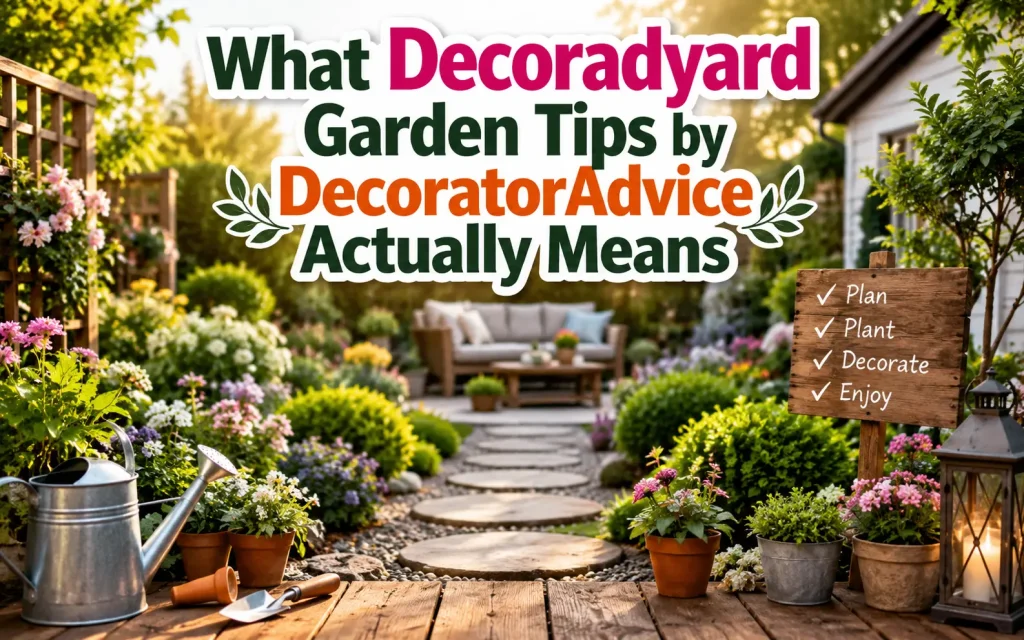
The phrase describes one simple idea. A garden should look good and work well at the same time. Style without function fades fast. Function without style feels cold.
The goal is balance. A bench that looks great should also hold weight through rain and sun. A flower bed that looks colorful should also survive your actual climate zone.
Step One: Map Your Yard Before You Buy a Single Plant
Skipping this step is the most common reason gardens fail within a year.
Start with three checks:
- Sun tracking. Watch one spot for a full day. Note how many hours it gets direct sun. Six or more hours means full sun. Three to five means partial shade. Under three means full shade.
- Climate zone. Look up your USDA Plant Hardiness Zone using your zip code. This number tells you which plants can survive winter in your area without dying.
- Rough sketch. Draw your yard on paper. Mark the sun zones. Mark the shade zones. Note any slope. This sketch becomes your shopping guide later.
Step Two: Test Your Soil Before You Trust Any Plant List
Soil decides whether a plant thrives or struggles within weeks. Most garden guides skip this entirely.
A basic home soil pH kit costs under fifteen dollars and takes ten minutes to use.
| Soil Type | Feel When Wet | Drainage Speed | Best Fix |
|---|---|---|---|
| Clay | Sticky and heavy | Slow | Add compost and coarse sand |
| Sandy | Loose and gritty | Very fast | Add compost and mulch |
| Silty | Smooth like flour | Moderate | Add organic matter |
| Loam | Crumbly and soft | Balanced | Maintain with yearly compost |
Most flowering plants prefer a pH between 6.0 and 7.0. A simple test tells you in minutes whether you need lime to raise pH or sulfur to lower it.
Step Three: Choose Plants by Light Not by Looks
A plant that looks perfect in the store can die within a month if the light is wrong.
| Light Level | Daily Direct Sun | Good Plant Choices |
|---|---|---|
| Full Sun | 6+ hours | Lavender Rosemary Black-eyed Susan Salvia |
| Partial Shade | 3-5 hours | Hydrangea Hosta Astilbe Coral Bells |
| Full Shade | Under 3 hours | Ferns Hellebore Lily of the Valley |
Match the plant to the light zone from your sketch in step one. This single habit prevents most plant deaths.
Step Four: Build Depth With Layered Planting
A flat garden where every plant sits at the same height looks unfinished even with expensive flowers.
Use three layers:
- Back layer. Tall shrubs such as viburnum boxwood or arborvitae build structure and privacy.
- Middle layer. Medium plants such as hydrangea or ornamental grass add color and movement.
- Front layer. Low ground cover such as creeping thyme or sedum finishes the edge cleanly.
Space shrubs based on their mature width rather than their current pot size. A tag that says three feet wide still needs three feet of room even though the plant looks tiny on day one.
Step Five: Pick a Color Story That Holds Together
Random colors scattered everywhere read as chaos rather than charm.
Pick one rule and stick to it:
- Two color rule. Choose two main flower colors and repeat them across the whole yard.
- Cool palette. Blues purples and silver foliage feel calm and suit small spaces.
- Warm palette. Reds oranges and yellows feel bold and suit large open yards.
Keep pots furniture and hardscape in neutral tones so the plants stay the visual focus.
Step Six: Design Zones People Will Actually Use
A garden becomes more valuable when it supports real activities instead of sitting empty.
| Zone | Core Need | Suggested Size |
|---|---|---|
| Seating Nook | Two chairs and shade | 6 by 6 feet |
| Dining Area | Table and walking room | 10 by 10 feet |
| Fire Pit Space | Clearance from structures | 10 foot radius minimum |
| Kids Play Zone | Soft ground cover or turf | Open and fenced if possible |
Always check local fire code distance rules before installing a fire pit near a fence or house.
Step Seven: Layer Lighting Like a Professional
Lighting changes a garden completely after sunset and adds real safety value.
| Light Type | Best Use | Typical Output | Rough Cost |
|---|---|---|---|
| Solar Path Lights | Walkways and borders | 30-50 lumens each | $10-20 per light |
| Warm LED String Lights | Seating and dining areas | Soft ambient glow | $15-30 per strand |
| Uplights | Highlighting trees or statues | 100+ lumens | $20-40 each |
| Low Ground Lights | Texture along beds | 20-40 lumens | $8-15 each |
Stick to warm white bulbs around 2700K. Cool white light tends to feel clinical outdoors.
Step Eight: Water Smart Instead of Watering Often
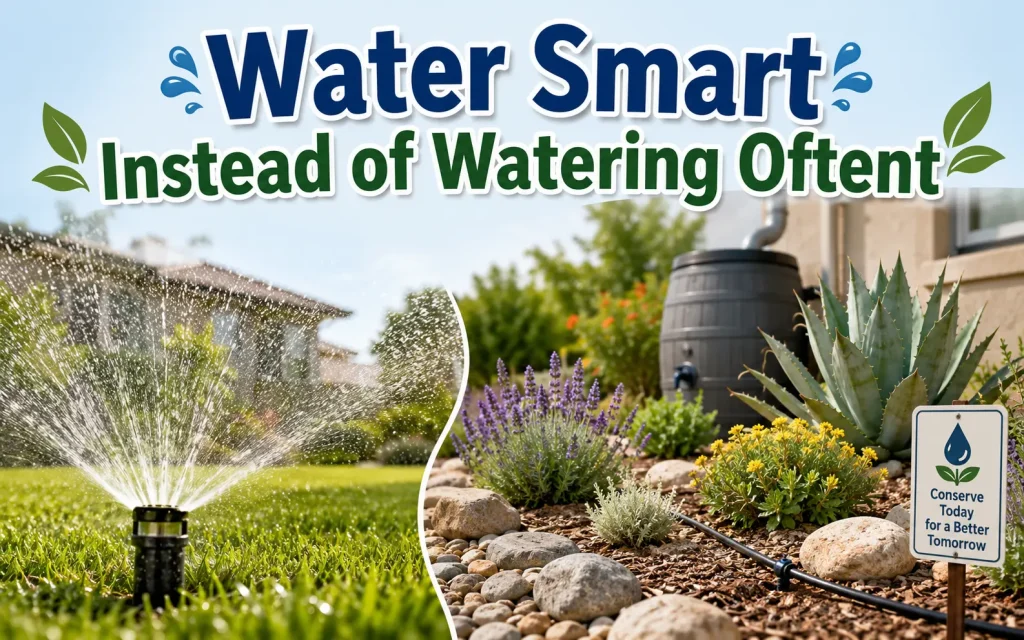
Overwatering kills more garden plants than drought does.
- Drip irrigation delivers water directly to roots and wastes far less than sprinklers.
- Mulch at a depth of two to three inches cuts water evaporation significantly.
- Native plants often need forty to sixty percent less water than imported ornamental varieties.
- Morning watering between 6 AM and 9 AM reduces evaporation loss compared to midday watering.
Step Nine: Go Vertical When Ground Space Runs Out
A small yard can still feel lush by using height instead of width.
- Wall mounted planters turn bare fences into living walls.
- A simple trellis lets climbing plants like clematis or beans grow upward instead of outward.
- Tiered plant stands hold several pots in the footprint of one.
- Hanging baskets work well on porches and pergolas without taking floor space.
Step Ten: Follow a Month by Month Care Calendar
This is the part most competing guides leave out completely.
| Month | Key Garden Task |
|---|---|
| January | Plan layout and order seeds early |
| February | Prune dormant trees and shrubs |
| March | Test soil and add compost |
| April | Plant cool season flowers and vegetables |
| May | Install mulch and start regular watering |
| June | Deadhead spent blooms weekly |
| July | Check irrigation and watch for heat stress |
| August | Harvest vegetables and trim overgrowth |
| September | Plant fall bulbs and divide perennials |
| October | Clear dead annuals and add fall mulch |
| November | Protect tender plants before frost |
| December | Clean tools and review the year’s layout |
Following this rhythm keeps a garden healthy through every season instead of only during summer.
Step Eleven: Upgrade Style on a Tight Budget

A beautiful yard does not require a large budget when effort goes in the right place.
- Repaint old terracotta pots instead of replacing them.
- Build simple DIY stepping stones using concrete molds.
- Propagate new plants from cuttings instead of buying full grown ones.
- Reuse scrap wood for raised beds or edging.
Mistakes That Quietly Ruin a Garden
- Planting too close together and blocking airflow invites disease.
- Ignoring drainage lets roots sit in standing water.
- Mixing too many colors breaks visual harmony.
- Choosing high maintenance plants without a realistic care plan leads to burnout.
- Skipping mulch lets soil moisture disappear within days.
Quick Reference Cheat Sheet
| Task | Recommended Standard |
|---|---|
| Soil pH for most flowers | 6.0 to 7.0 |
| Mulch depth | 2 to 3 inches |
| Shrub spacing | Match mature width |
| Best watering time | Early morning |
| Light color temperature | Around 2700K warm white |
FAQs
What are Decoradyard Garden Tips by Decorator Advice?
Decoradyard Garden Tips by Decorator Advice are practical gardening and landscaping suggestions designed to help homeowners create beautiful, healthy, and easy-to-maintain outdoor spaces.
How do I start a garden step by step?
Start by planning your garden layout, choosing plants suitable for your climate, preparing the soil, planting carefully, watering regularly, and maintaining the garden through pruning and weed control.
Which plants are best for beginners?
Low-maintenance plants such as marigolds, lavender, petunias, succulents, and native plants are ideal for beginners because they require less care and adapt well to different conditions.
How often should I water my garden?
Most gardens benefit from deep watering once or twice a week. However, the exact frequency depends on the weather, soil type, and the specific needs of your plants.
Why is mulch important in gardening?
Mulch helps retain soil moisture, regulate temperature, prevent weed growth, and improve soil quality over time, making it an essential part of garden maintenance.
Final Thoughts
A great outdoor space is not built from one big decision. It comes from a series of small correct choices like knowing your light knowing your soil and matching plants to both. Decoradyard Garden Tips by DecoratorAdvice work best when paired with real numbers and a seasonal rhythm rather than guesswork. Start with the sketch test your soil and let the rest of the design follow from there.
These Decoradyard garden tips by Decorator Advice can help you create an outdoor space that is both beautiful and practical. With thoughtful planning, proper plant selection, and regular maintenance, your garden can become a stunning retreat that enhances the beauty and value of your home.
It May Also Like It:
How to Be Better at Interior Design Mintpaldecor