
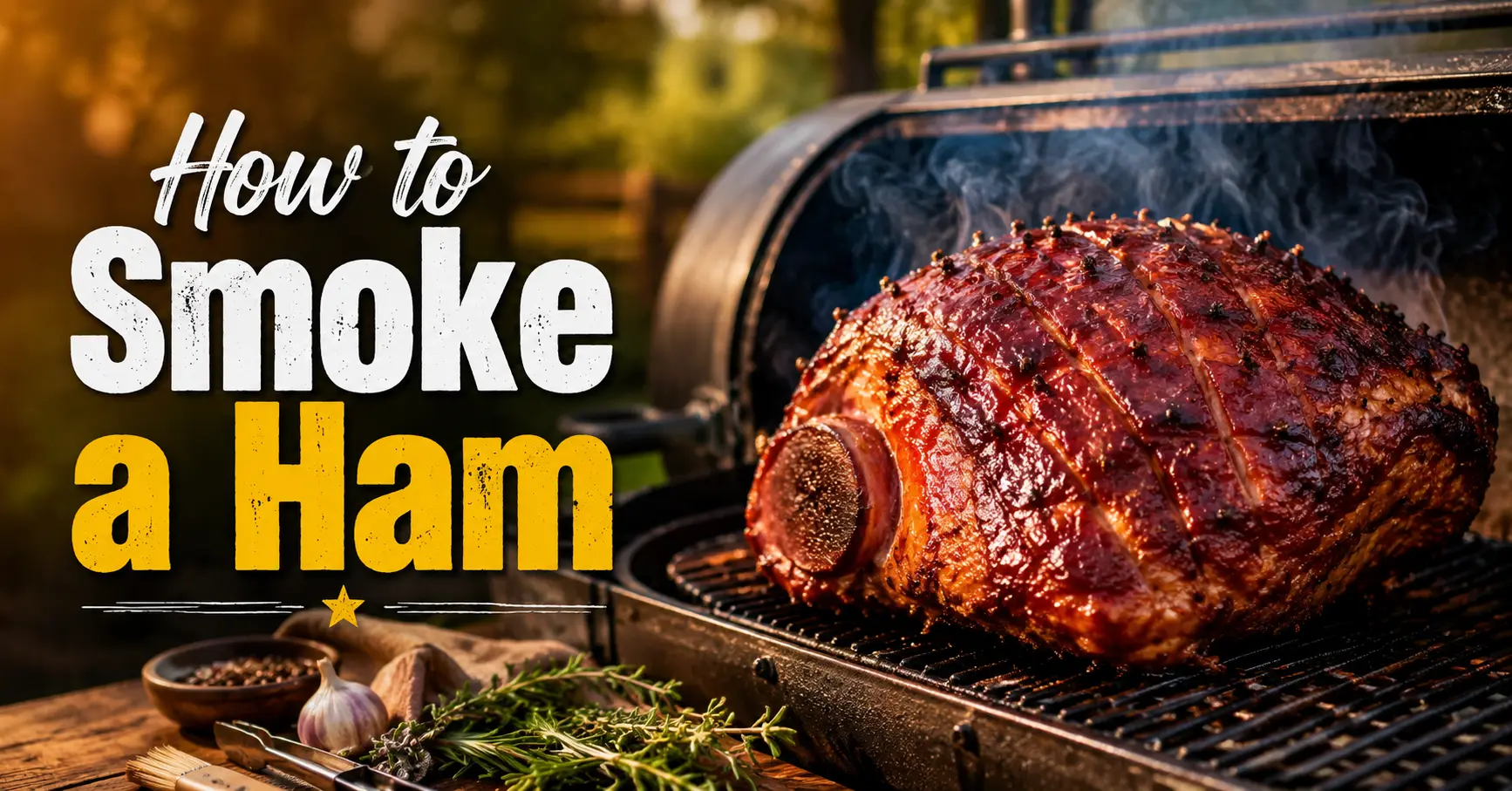
How to smoke a ham few dishes make a stronger impression than a perfectly smoked ham. The combination of smoky aroma, juicy texture, and sweet caramelized glaze creates a centerpiece that works for holidays, family gatherings, backyard BBQs, and special occasions.
Whether you’re using a pre-cooked ham from the store or starting with a fresh raw ham, smoking adds rich flavor and transforms an ordinary meal into something memorable. This guide covers everything you need to know, from choosing the right ham to smoking, glazing, and serving it perfectly.
Why Smoke a Ham
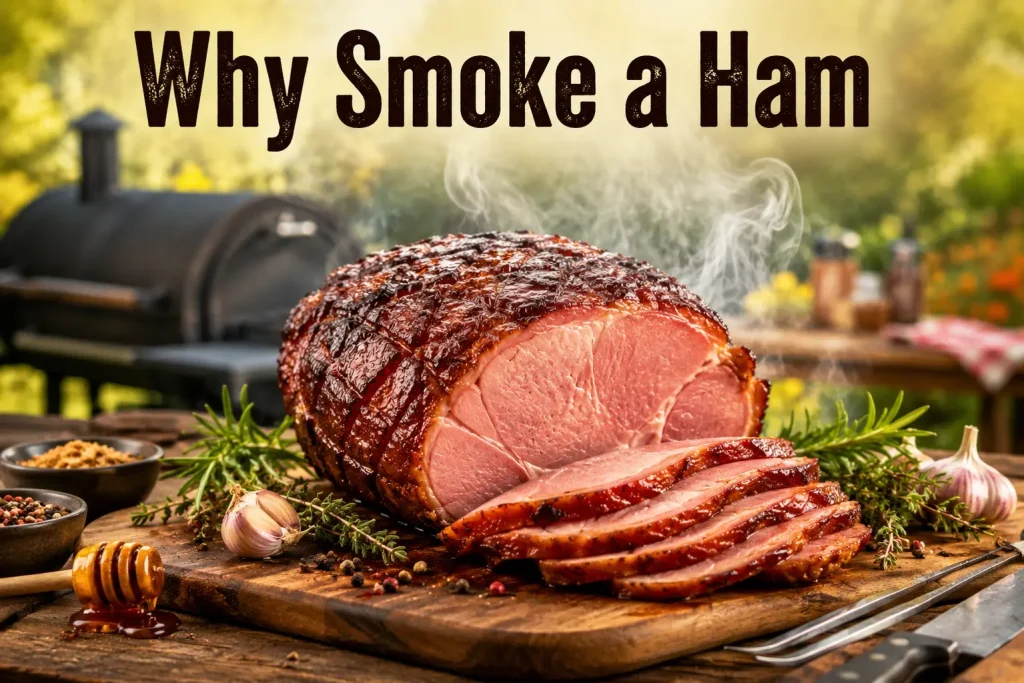
Smoking a ham enhances its natural flavor while keeping it tender and juicy. The slow cooking process allows wood smoke to penetrate the meat, creating a deeper taste and a beautiful outer bark.
Benefits of smoking a ham include:
- Rich smoky flavor
- Tender and juicy texture
- Perfect holiday centerpiece
- Great for feeding large groups
- Excellent leftovers for sandwiches, soups, and casseroles
A properly smoked ham delivers the perfect balance of sweet, salty, and smoky flavors that everyone enjoys.
Choosing the Right Ham
Before firing up the smoker, it’s important to select the right type of ham.
Pre Cooked Ham
This is the most common option and the easiest to smoke.
Advantages:
- Already cured and cooked
- Shorter cooking time
- Beginner-friendly
- Easy to find in grocery stores
Most people choose a bone-in pre-cooked ham because it offers better flavor and stays moist during smoking
Raw Ham (Fresh Ham)
A fresh ham is an uncured pork leg.
Advantages:
- Full control over seasoning
- Rich homemade flavor
- Traditional smoking experience
However, raw hams must be cured before smoking, which can take several days.
For most home cooks, a pre-cooked ham is the easiest and most reliable option.
How Much Ham Per Person?
Use these serving guidelines when planning your meal.
| Number of People | Bone-In Ham | Boneless Ham |
|---|---|---|
| 4–6 People | 4–5 lbs | 3–4 lbs |
| 8–10 People | 7–8 lbs | 5–6 lbs |
| 12–15 People | 10–12 lbs | 8–10 lbs |
| 18–20 People | 14–16 lbs | 12–14 lbs |
If you want leftovers, buy a slightly larger ham.
Best Wood for Smoking Ham
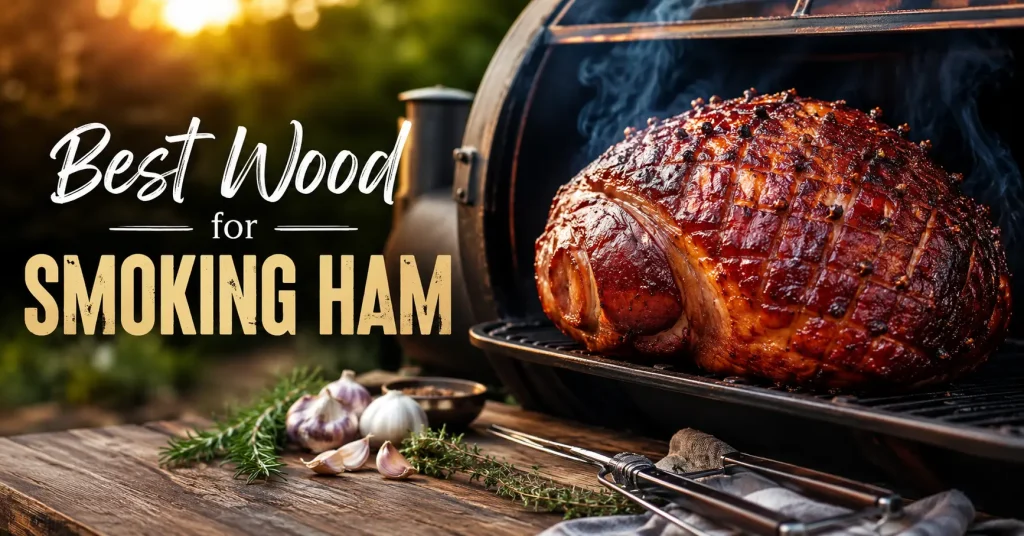
The type of wood you choose greatly affects flavor.
Apple Wood
- Mild smoke
- Slightly sweet flavor
- Excellent for glazed hams
Cherry Wood
- Sweet and fruity
- Creates beautiful color
- Great for holiday hams
Hickory
- Strong traditional BBQ flavor
- Rich smoky taste
- Ideal for bold flavor lovers
Maple
- Mild sweetness
- Smooth smoke profile
- Perfect with brown sugar glazes
For the best balance, many pitmasters combine apple and hickory wood.
Preparing the Ham
Step 1: Thaw Completely
If frozen, thaw the ham in the refrigerator.
Approximate thawing times:
| Number of People | Bone-In Ham (lbs) | Boneless Ham (lbs) |
|---|---|---|
| 4–6 | 4–5 | 3–4 |
| 8–10 | 7–8 | 5–6 |
| 12–15 | 10–12 | 8–10 |
| 18–20 | 14–16 | 12–14 |
Never thaw a ham at room temperature.
Step 2: Score the Surface
Using a sharp knife, cut shallow diamond patterns across the outer surface.
Benefits:
- Better glaze penetration
- Attractive appearance
- Improved caramelization
Avoid cutting too deeply into the meat.
Step 3: Apply Seasoning
For extra flavor, coat the ham lightly with:
- Brown sugar
- Paprika
- Black pepper
- Garlic powder
- Onion powder
Because many hams are already cured, avoid excessive salt.
Brown Sugar Ham Glaze
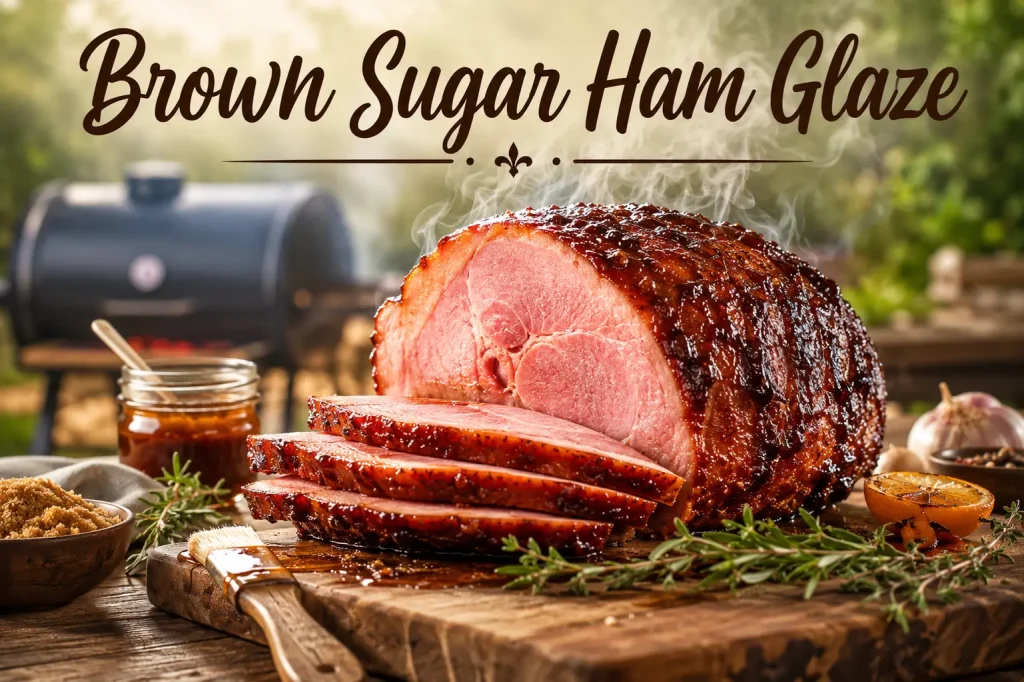
A homemade glaze creates a shiny, flavorful finish.
Ingredients
- cup brown sugar
- cup honey
- cup maple syrup
- tablespoons Dijon mustard
- tablespoon apple cider vinegar
Instructions
- Combine all ingredients in a saucepan.
- Simmer for 5–7 minutes.
- Stir until smooth.
- Allow to cool slightly before using.
The glaze should be thick but brushable.
How to Smoke a Pre Cooked Ham
This is the most popular method.
Step 1: Preheat the Smoker
Set your smoker to:
225°F–250°F (107°C–121°C)
This low temperature keeps the ham moist while adding smoke flavor.
Step 2: Place the Ham in the Smoker
Position the ham:
- Fat side up
- Directly on the grate
- Away from direct heat
The fat naturally bastes the meat during cooking.
Step 3: Smoke the Ham
Approximate smoking times:
| Ham Size | Cooking Time |
|---|---|
| 5 lbs | 2–3 Hours |
| 8 lbs | 3–4 Hours |
| 10 lbs | 4–5 Hours |
| 14 lbs | 5–6 Hours |
Monitor temperature instead of relying only on time.
Step 4: Apply the Glaze
When the ham reaches:
130°F Internal Temperature
Brush on a generous layer of glaze.
Continue smoking and reapply glaze every 20–30 minutes.
This creates a beautiful caramelized crust.
Step 5: Finish Cooking
Smoke until the ham reaches:
140°F Internal Temperature
Avoid exceeding 140°F for pre-cooked ham because it can become dry.
Step 6: Rest the Ham
Remove from the smoker and loosely tent with foil.
Let it rest for:
15–20 Minutes
Resting helps retain juices and improves texture.
How to Smoke a Raw Ham
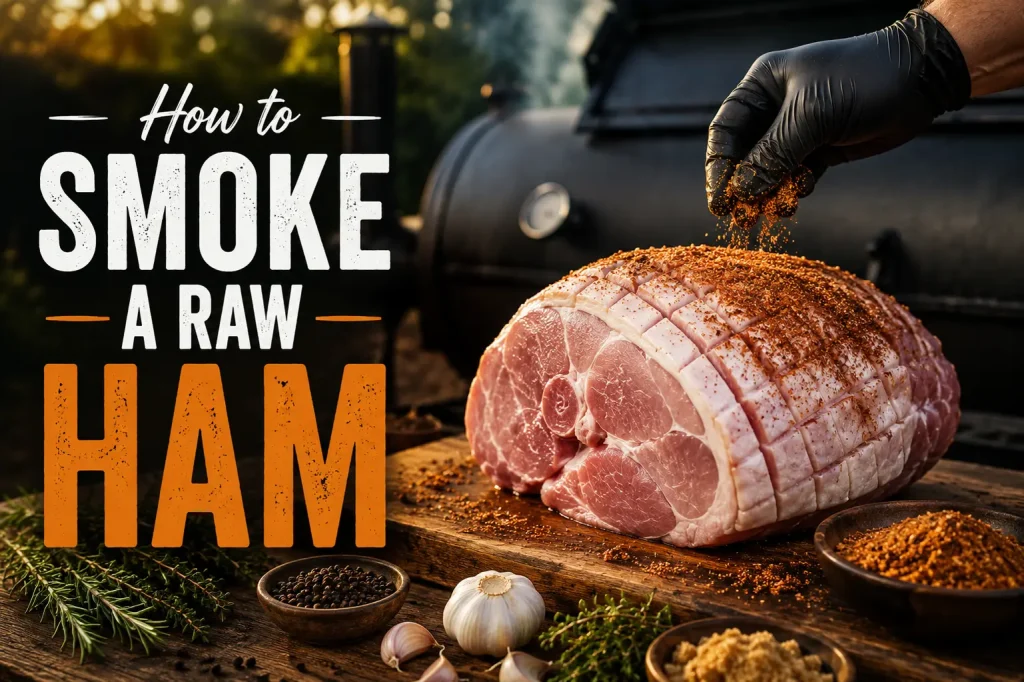
Smoking a fresh ham requires an additional curing process.
Curing the Ham
Prepare a curing brine using:
- Water
- Brown sugar
- Kosher salt
- Curing salt (Prague Powder #1)
- Peppercorns
- Bay leaves
Submerge the ham completely and refrigerate.
Curing Time
Allow:
1 Day Per Pound
Example:
- 7 lb ham = 7 days curing
- 10 lb ham = 10 days curing
This develops the classic ham flavor and pink color.
Smoking the Raw Ham
After curing:
The result is a true homemade smoked ham with incredible flavor.
- Rinse thoroughly.
- Pat dry.
- Smoke at 250°F.
- Cook until internal temperature reaches 165°F.
- Apply glaze during the final stage.
- Rest before slicing.
The result is a true homemade smoked ham with incredible flavor.
Smoked Pulled Ham Variation
For something different, turn your ham into pulled ham.
Method
- Smoke ham until 165°F.
- Place in a foil pan.
- Add pineapple juice or pineapple nectar.
- Sprinkle brown sugar over the top.
- Cover tightly with foil.
- Continue cooking at 300°F.
- Cook until internal temperature reaches 203°F.
Once tender, shred the meat and mix with cooking juices.
The result is sweet, smoky, juicy pulled ham that works perfectly for sandwiches and sliders.
Common Mistakes to Avoid
Overcooking
The biggest mistake is overheating.
Remember:
- Pre-cooked ham = finish at 140°F
- Raw ham = finish at 165°F
Using Too Much Smoke
Ham already has strong flavor.
Use moderate smoke instead of overwhelming the meat.
Skipping the Rest Period
Cutting immediately causes juices to escape.
Always rest the ham before slicing.
Forgetting the Thermometer
Never guess doneness.
A thermometer guarantees perfect results.
Best Side Dishes for Smoked Ham

Smoked ham pairs beautifully with:
- Mashed potatoes
- Mac and cheese
- Roasted vegetables
- Green bean casserole
- Sweet potato casserole
- Cornbread
- Dinner rolls
- Coleslaw
- Baked beans
These sides create a complete and satisfying meal.
Storing Leftover Smoked Ham
Refrigerator
Store in an airtight container for:
Up to 5 Days
Freezer
Wrap tightly and freeze for:
Up to 3 Months
Reheating Smoked Ham
For best results:
- Place ham in a roasting pan.
- Add 1 cup chicken broth or water.
- Cover with foil.
- Heat at 325°F until warmed through.
This prevents the meat from drying out.
FAQs
How long does it take to smoke a ham?
Usually 15–20 minutes per pound at 225°F.
What temperature should I smoke a ham at?
Smoke ham at 225°F to 250°F for best results.
Do I need to cure a fresh ham before smoking?
Yes, a fresh ham should be cured before smoking.
What is the best wood for smoking a ham?
Apple, cherry, hickory, and maple woods work best.
Can I smoke a pre-cooked ham?
Yes, pre-cooked ham is the easiest type to smoke
Final Thoughts
Smoking a ham is one of the easiest ways to create a flavorful and impressive meal. Whether you’re warming a pre-cooked ham, curing and smoking a fresh ham from scratch, or making tender pulled ham, the process rewards patience with incredible flavor.
By using quality wood, maintaining steady temperatures, applying a delicious glaze, and monitoring internal temperature carefully, you can produce a juicy, smoky ham that becomes the highlight of any gathering. Once you’ve mastered the technique, smoked ham will quickly become a favorite for holidays, celebrations, and weekend BBQs alike.
